
Back-to-School Checklist

Back-to-School Checklist
Back-to-school shopping lists usually include backpacks, notebooks, pencils, lunch boxes, and new shoes. While those items help students feel prepared, there’s another checklist that’s just as important and can’t be found in the school supply aisle. The transition back to school can bring excitement, but it can also bring worries, big emotions, changes, and added stress. Whether your child is starting kindergarten or heading to high school, preparing their emotional well-being can make a meaningful difference in how they start the new school year. Here’s a Back-to-School Mental Health Checklist created by Katee Rook, at Verus Ridge Counseling, to help your child or teen begin the school year feeling supported, confident, and emotionally prepared.
A Healthy Sleep Routine
Sleep is a big factor of mood, attention, learning, and emotional regulation. Begin adjusting bedtimes and wake-up times before school starts to help ease the transition. Ask yourself:
- Is my child getting enough sleep for their age?
- Have we started shifting back to a school schedule?
- Is screen time ending before bedtime?
Space for Big Feelings
It’s normal for children and teens to have mixed emotions about going back to school. Some are excited, while others might feel nervous, sad, or scared. Let your child know that all feelings are welcome. Also, listening without immediately trying to solve the problem helps children feel heard and understood. Ask your child:
- “What are you excited about this year?”
- “Is there anything you’re worried about?”
- “What would help you feel more ready for school?”
Coping Skills Packed and Ready
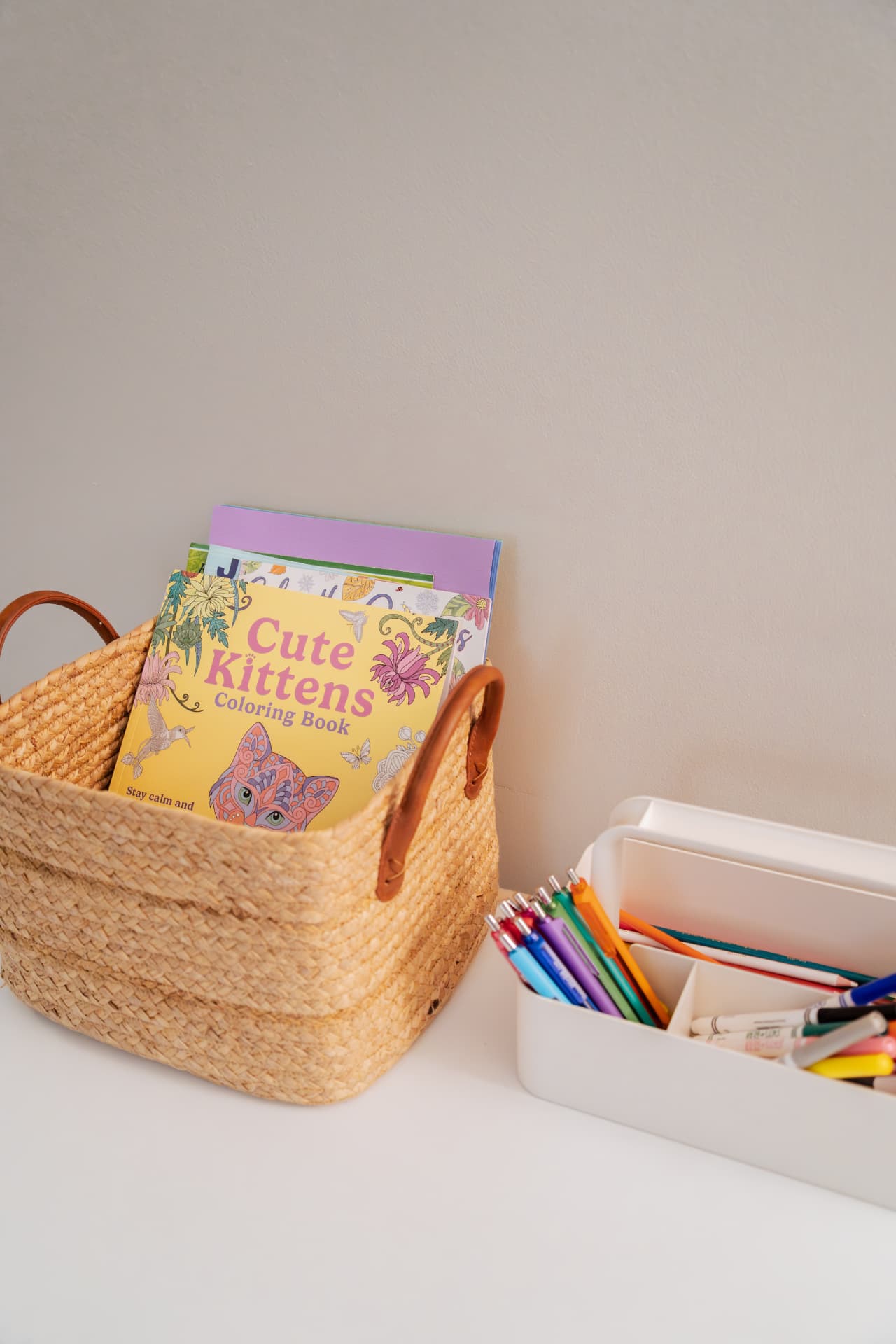
Just like students pack pencils, it’s helpful to plan and practice for an emotional “toolbox” and skills they can use throughout the day. These might include:
- Taking slow, deep breaths
- Positive self-talk
- Asking a trusted adult for help
- Taking a short mental break
- Using relaxation techniques when feeling overwhelmed
Friendship Check-In
Friendships often change over the summer and new school year, and social worries are common at every age. Talk with your child about:
- How to include others
- What healthy and unhealthy friendships look like
- How to handle disagreements respectfully
- Who your child can talk to if they’re feeling left out
- Making or rebuilding friendships takes time
Realistic Expectations
Many students put pressure on themselves to get perfect grades, make everyone happy, or never make mistakes. Progress is more important than perfection. Instead, encourage goals like:
- Try your best
- Ask questions when you need help
- Learn from mistakes
- Celebrate effort, not just outcomes
Family Connection Time
The school year gets busy quickly, but even a few minutes of intentional connection each day can strengthen your child’s emotional well-being. Consistent connection creates a safe place for children to process their day. Ideas include:
- Eating one meal together
- A bedtime conversation
- An evening walk
- Weekly family game or movie nights
Balanced Activities
Children and teens need opportunities to recharge outside of academics. A balanced schedule supports both mental and physical health. Make room for:
- Physical activity
- Creative hobbies
- Free play
- Quiet downtime
- Time outdoors
Stress Management Plan
Stress isn’t always avoidable, but children can learn healthy ways to face and manage it. Knowing what to do before stress becomes overwhelming builds confidence. Help your child identify:
- What stress feels like in their body
- Healthy ways to calm down
- Trusted adults they can turn to
- It’s okay to ask for help
Open Communication
One of the most protective factors for children’s mental health is knowing they have adults who will listen. Small conversations every day often lead to the bigger ones happening when they matter most. Instead of asking, “How was school?” try questions like:
- “What made you smile today?”
- “What was the hardest part of your day?”
- “Did anything surprise you?”
- “Who did you spend time with today?”
- “Is there anything you wish had gone differently?”
A Reminder That They Don’t Have to Do It Alone
Every child experiences challenges differently. Some may adjust easily, while others may need extra support navigating stress, friendships, school, or emotional changes. If your child seems overwhelmed, withdrawn, unusually irritable, or continues to struggle after the school year begins, reaching out for support is a sign of strength, not failure. Early support can help children and teens build the skills they need to thrive both in and out of the classroom. When children know they are supported, understood, and equipped with healthy coping skills, they’re better prepared to face the challenges and celebrate the successes that a new school year brings.
At Verus Ridge Counseling, we’re here to support children, teens, and families through every season of growth. If your child could benefit from extra support this school year, please reach out. We’d be honored to help.
Katee is a licensed social worker with experience supporting children, families, and adults through community agencies and educational programs. Her background includes providing case management, social services, behavioral support, and mental health care.
Meet our team